

It’s Saturday night, and you are looking for something to do. How about going to your local theater for a movie? The movie theater has been a destination for generations. But how did it all start?
The movie business has very humble beginnings. In the 1800’s, many inventors, such as Thomas Edison and the Lumiere Brothers worked on machines that projected images. This led to the silent movie era which ranged from 1894 to 1929. During this time period, a number of moving pictures were created and shown in theaters on big screens.
THE START OF AN ERA
Silent movies were just that – movies that did not have any talking or music in them. To provide drama and excitement to movies, 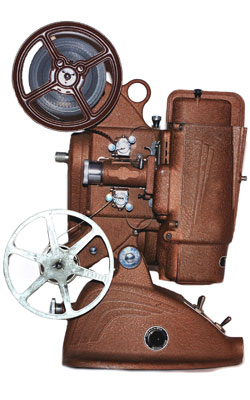 live music was played in sync with the action on the screen, by pianos, organs, and other instruments. The silent movie producers brought famous films such as Ben-Hur, The Ten Commandments, The Circus and many others.
The era also brought us many silent movie stars, such as Charlie Chaplin, Laurel and Hardy, Harold Lloyd and Pearl White. Some actors and actresses continued their careers in film when talking pictures started in 1929, others did not.
What made silent movies so special was their universal language. Without spoken dialogue, these films could be understood and enjoyed by audiences around the world, regardless of what language they spoke. Filmmakers relied on exaggerated expressions, physical comedy, and dramatic gestures to convey emotion and tell their stories. Title cards with written text would occasionally appear on screen to provide important dialogue or narration, but the visual storytelling was powerful enough to communicate complex plots and deep feelings. This art form required tremendous skill from actors, who had to convey everything through their faces and body language alone.
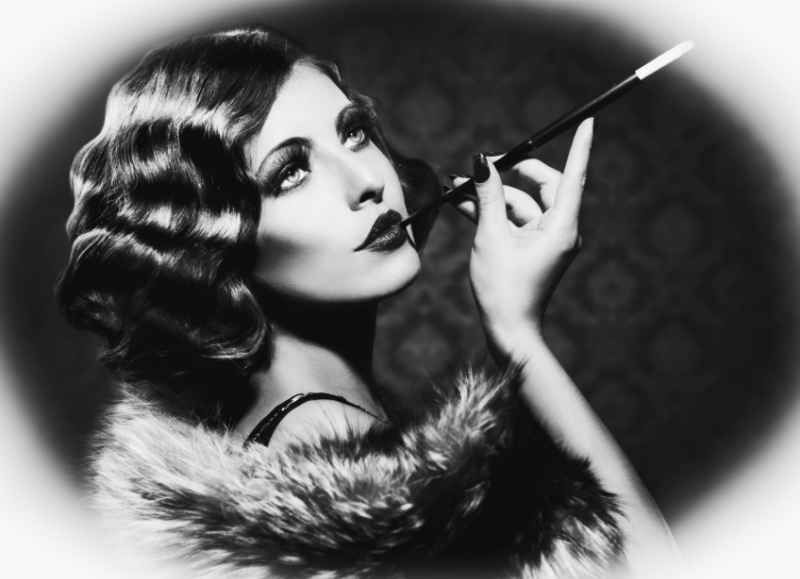
The theater experience during the silent film era was quite different from today’s movie-going. It was a truly social event, with audiences often reacting loudly to the on-screen action, cheering for heroes and booing villains. The live musicians added to this energy, adjusting their tempo and volume to match the mood of each scene. Some larger theaters even had full orchestras performing elaborate scores. Watching a silent film was an immersive, communal experience that brought people together in ways that still resonate with film lovers today. The creativity and innovation of this remarkable period laid the foundation for all of cinema that followed
The silent movie provided entertainment to people for decades and provided the industry with a springboard to talking pictures, and the movies we know today. To learn more about this fascinating time in the history of the theater, please view the following resources, and re-live the glory of the silent film.
SILENT FILM RESOURCES
- The History of Silent Movies and Subtitles
- Silent Films
- Information on the Silent Era
- Silent Film Genre
- Making of a Silent Film Score
- The History of Motion Pictures
- Digital History of Movies
- History of Film Sound
- A Brief History of Film
- The Technology of Movies
- From Silent Films to Talkies
- Movie History
- Music in Silent Films
- Brief History of Films
- Silent Movie Facts
- Development of the Cinema
- Silent Movie Resources
- Guide to Film Resources
- Silent Film Resources
Home Theater Seating
Top Pages
- Best Electric Recliner Chairs
- Modern Black Leather Recliners
- Home Theatre Furniture Ideas
- Motorized Leather Couch
- Space Saving Leather Recliners
- Large Comfortable Recliner
- Black Modern Sofa Set
- Reclining Movie Theater Chairs
- Single Reclining Chairs
- Large Entertainment Chairs
- How Much Does A Recliner Cost